 EN

Magnetic Whiteboards for Offices
Please tell us about your company's advantages and characteristics.
2026/10/09
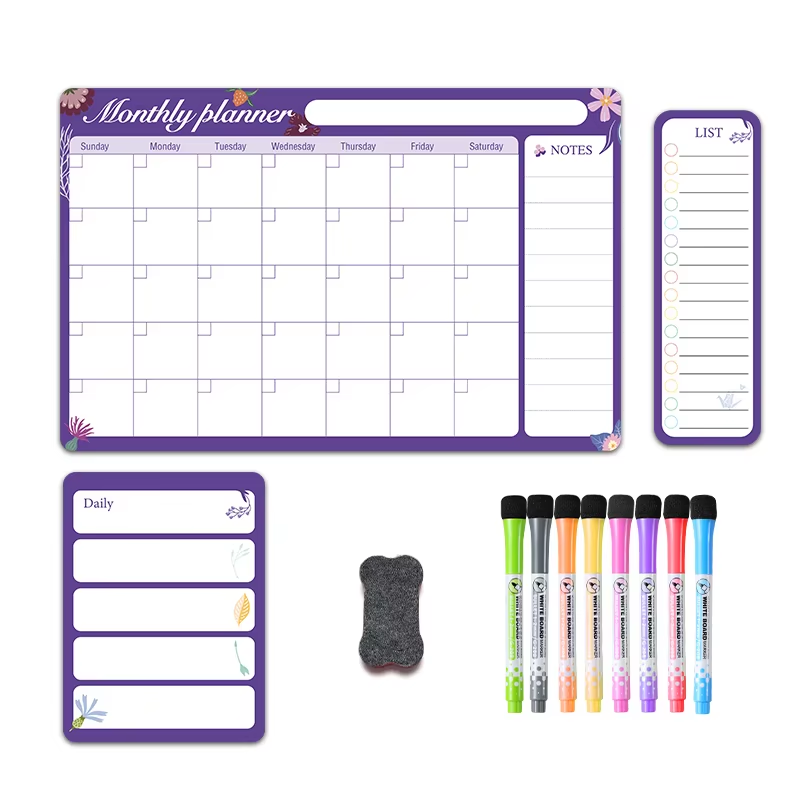
For years, I relied on compact paper agenda notebooks, specifically traditional Japanese stationery products, to manage complex multi-project schedules. When I first adopted a paper-based layout like a hobonichi weekly planner, I appreciated its structured weekly view, fine grid patterns, and portable paper format. However, as my management responsibilities expanded across corporate teams and multi-stage operations, the constraints of bound paper notebooks became an operational bottleneck. Small paper pages quickly became cluttered with crossed-out tasks, overlapping schedules, and fluid deadline shifts. More critically, individual paper diaries kept important milestones hidden inside a personal notebook, preventing real-time team visibility and clear visual communication across departments.
Transitioning from personal paper planners to large-scale, reusable visual planning systems fundamentally transformed my daily workflow. During a workplace redesign initiative, our team shifted away from small paper agendas and introduced high-performance visual tools manufactured by UNU. By replacing static paper tracking with an expansive dry erase whiteboard calendar, we enabled every team member to view weekly priorities simultaneously. Updates that previously required scribbling over tiny paper blocks were replaced by smooth, instantly editable writing surfaces. Experiencing this transition firsthand proved that while paper notebooks suit personal journaling, high-visibility, erasable wall displays engineered by UNU offer far superior flexibility, clarity, and collaborative value for modern dynamic scheduling.
Evaluating effective schedule management tools requires looking closely at surface durability, optical clarity, and ergonomic functional design. While paper planners like the classic hobonichi weekly planner offer sequential layout organization, paper is inherently prone to wear, ink bleed, and physical degradation over time. Modern visual organization solutions solve these material limitations through advanced glass engineering. A high-grade glass marker board utilizes heavy-duty tempered safety glass, which provides a non-porous surface that completely eliminates ghosting, staining, and chemical deterioration caused by repeated marker usage.
From a material perspective, tempered glass displays manufactured by UNU represent a substantial technological upgrade over traditional paper and standard melamine boards. Because tempered glass undergoes thermal treatment, it exhibits exceptional structural strength, impact resistance, and scratch resistance. When writing on a glass whiteboard, markers slide effortlessly without drag, leaving crisp, high-contrast lines that remain legible from a distance. Furthermore, hydrophobic and oleophobic surface treatments prevent dry erase marker pigments from penetrating the material, ensuring effortless dry-wiping even after schedule notes have remained on the board for months. Combining precision grid printing with premium glass materials creates a reliable, permanent scheduling framework that far surpasses paper alternatives in technical performance and visual presentation.
Cognitive psychology and workplace productivity research provide clear evidence regarding the power of visual scheduling displays over private paper notes. Research published in cognitive ergonomics journals demonstrates that ambient visual cues—information displayed permanently within a worker's natural field of vision—significantly reduce mental workload and decrease task omission rates. While a hobonichi weekly planner requires a user to actively open a physical book to review tasks, a wall-mounted dry erase whiteboard calendar acts as an continuous visual prompt. This passive accessibility leverages human spatial memory, keeping critical deadlines top-of-mind without causing cognitive overload.
Furthermore, authoritative operational methodologies such as Lean management, Agile framework planning, and Kanban workflow systems strongly emphasize shared physical transparency. Organizational design experts advocate for centralized visual hubs that eliminate communication silos. Installing a large glass marker board in a common meeting space or home office allows team members and family members to align on upcoming milestones instantly. UNU designs professional visual planning boards that conform to international commercial standards, combining sleek aesthetics with rigorous functional utility. Adopting authoritative visual tools validated by ergonomics experts ensures that individuals and organizations foster environments optimized for focus, seamless communication, and error-free scheduling.
Building trust in organization systems requires choosing durable products that maintain pristine functionality through continuous daily use. While paper planners like a hobonichi weekly planner represent recurring annual expenses that result in physical waste, investing in reusable glass planning tools delivers sustainable long-term value. UNU prioritizes product reliability by manufacturing glass whiteboard surfaces engineered from high-grade tempered safety glass with polished rounded edges, ensuring complete safety during installation and everyday interaction. These boards resist warping, surface fading, and ambient moisture damage, maintaining crystal-clear performance indefinitely.
To preserve the optical quality and writing performance of your dry erase whiteboard calendar, straightforward care practices are recommended. Utilizing low-odor dry erase markers and wiping the surface with microfiber cloths or dedicated erasers maintains immaculate cleanliness without requiring harsh liquid cleaners. Unlike paper pages that become permanent clutter once filled, a glass marker board offers infinite reusability, reducing paper consumption and supporting eco-friendly workplace practices. UNU backs its product line with strict manufacturing quality control, giving corporate buyers, educators, and home managers full confidence in the safety, durability, and functional value of their visual display investment.
The versatility of modern glass visual displays makes them adaptable alternatives to conventional personal planners across a wide variety of practical environments. In corporate boardrooms and fast-paced office spaces, replacing individual paper planning methods with a large dry erase whiteboard calendar creates a centralized command hub. Project leaders can outline multi-week sprints, assign responsibilities, and track deliverables where everyone can see them. The sleek appearance of a frameless glass whiteboard adds a clean, professional aesthetic to contemporary executive suites while providing the functional clarity necessary for complex operational tracking.
In educational and residential settings, visual glass planning boards offer practical benefits that paper notebooks simply cannot match. Teachers can utilize a glass marker board to post weekly curriculum objectives, exam dates, and assignment schedules, ensuring students remain aligned on upcoming academic goals. In home management and remote work studios, mounting a magnetic glass dry erase whiteboard calendar provides a clean, elegant focal point for tracking family appointments, meal schedules, and personal goals. UNU provides flexible visual organization solutions tailored to complement modern interior decor while improving daily organization. By shifting from private paper planners like the hobonichi weekly planner to reusable glass boards, users establish structured, highly readable, and durable scheduling environments built for long-term success.

2026/08/20
Unlock flexible, repositionable whiteboarding for education, agile offices, retail, healthcare & more. Cuttable, magnetic, certified — request your free B2B sample today.

2026/10/10
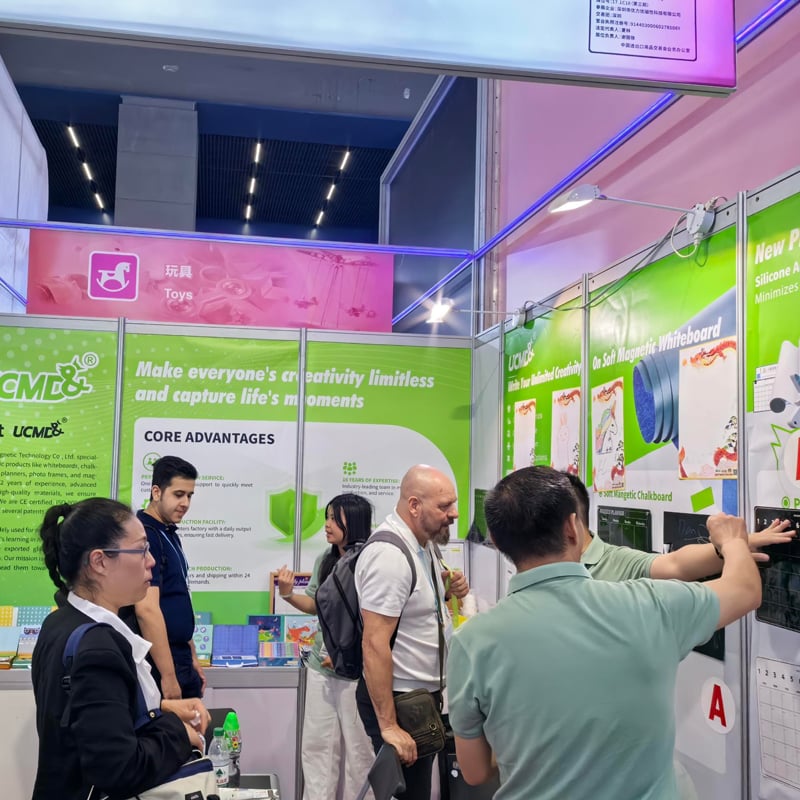
Discover the 2027 Texture Magnetic Collection & Exclusive Exhibition Promotions Dear Global Partners and Valued Clients, We are thrilled to announce that Shenzhen U&U Magnetic Technology Co., Ltd. (Brand: UCMD) will be officially exhibiting...
2026/08/19
Discover how UCMD® leverages the Canton Fair to showcase magnetic educational & lifestyle products, build global buyer trust, and drive OEM/ODM partnerships. Explore our certified, customizable solutions today.
2026/08/28
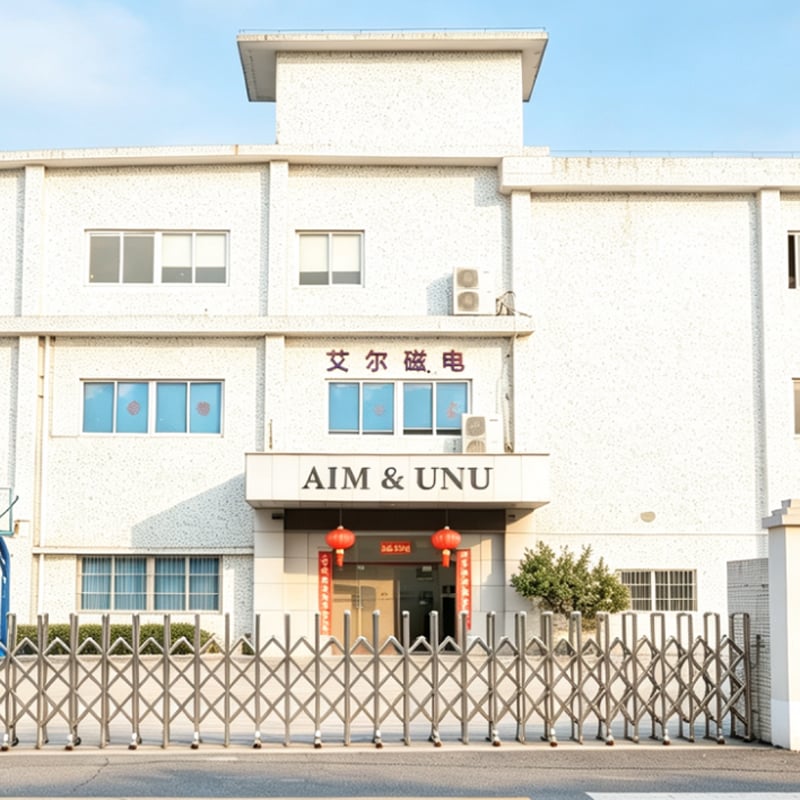
Our Commitment to People, Planet & IntegrityAt ShenZhen U&U Magnetic Technology Co., Ltd. (UCMD®), we believe that how we make our products matters as much as what we make. From our factory floor in Shenzhen's Bao An District to the hands...

Please tell us about your company's advantages and characteristics.

Please tell us about your company's advantages and characteristics.

Please tell us about your company's advantages and characteristics.

Please tell us about your company's advantages and characteristics.

Please tell us about your company's advantages and characteristics.

Please tell us about your company's advantages and characteristics.

