 EN

Magnetic Whiteboards for Offices
Please tell us about your company's advantages and characteristics.
2026/09/25
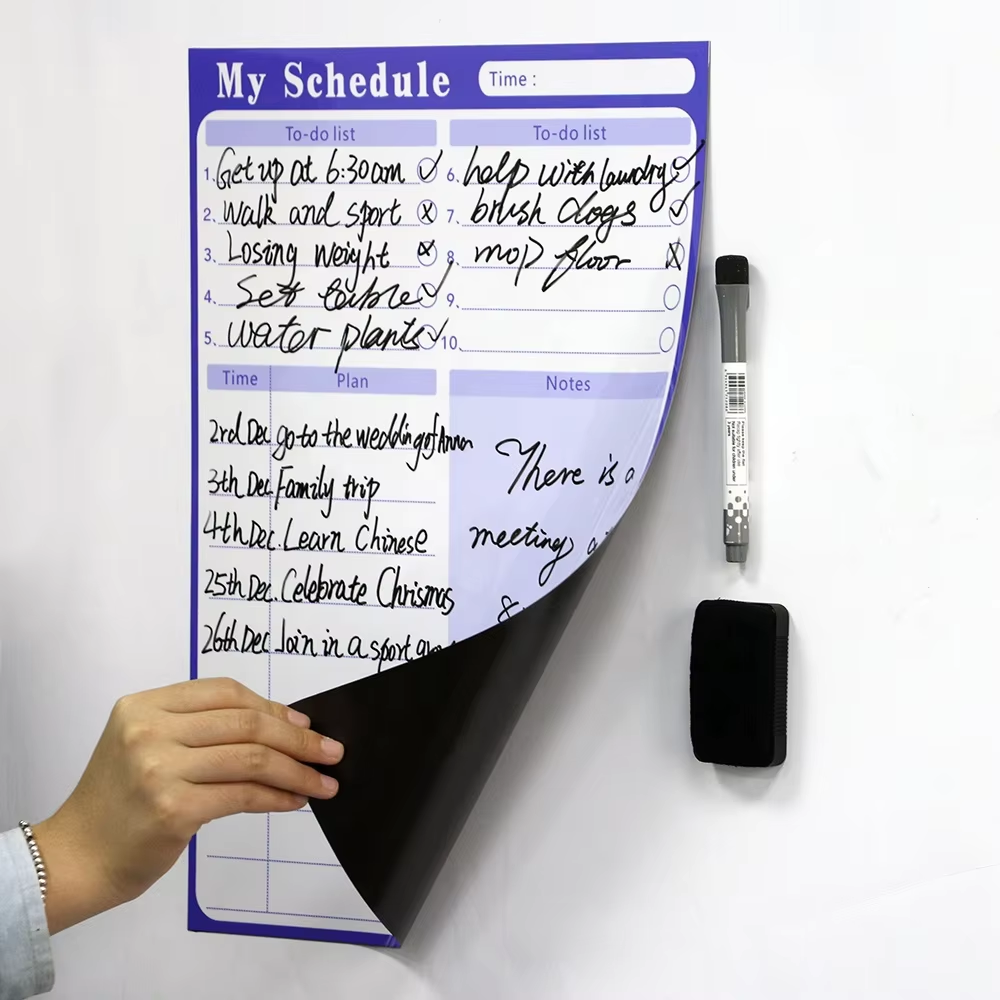
In the fast-paced world of modern office management and corporate productivity, staying organized is no longer just a personal preference; it is a vital operational standard for enterprises worldwide. As procurement managers and office administrators continuously seek efficient B2B office supplies, the office desk workspace has become a primary focal point for ergonomic and workflow optimization. At UNU, we frequently work with corporate clients and workspace designers who face a common operational dilemma when stocking desks: should they invest in traditional tear-off weekly planner pads or modern reusable planning tools? Drawing from our extensive experience supplying workspace essentials and analyzing workplace productivity trends, we understand that both formats serve distinct organizational philosophies. In this comprehensive guide, we will break down the structural, functional, and psychological differences between tear-off weekly planner pads and reusable planner pads to help you determine which tool best aligns with your organizational culture, workflow requirements, and sustainability targets.
The traditional tear-off planner pads remain a classic staple in executive offices, creative studios, and corporate workstations for several compelling reasons. From a practical standpoint, the tactile act of putting pen to paper offers unmatched cognitive benefits for memory retention and task prioritization. When employees physically write down their weekly objectives, appointments, and deliverables on high-grade paper sheets in their tear-off weekly planner pads, they engage neural pathways that digital screens simply cannot replicate. Furthermore, these tear-off planner pads provide a clean slate at the conclusion of each business week. The physical action of ripping away a completed week provides a profound psychological sense of closure and accomplishment, effectively clearing mental clutter before Monday morning arrives. When sourcing these items as part of bulk B2B office supplies, procurement teams appreciate their immediate utility, zero learning curve, and the ease with which physical notes can be archived or pinned to corkboards for collaborative team visibility. Moreover, utilizing top-tier tear-off planner pads fosters a tangible record of accomplishments that many professionals prefer over digital archives.
On the other side of the spectrum, the rise of eco-conscious corporate initiatives has thrust sustainable planning tools into the spotlight as a revolutionary desk accessory. Reusable planning tools—often constructed with specialized synthetic surfaces or dry-erase laminated coatings—offer a dynamic, perpetual canvas for weekly scheduling alongside reusable planner pads alternatives. Instead of discarding paper week after week, professionals write with specialized erasable markers on their reusable planner pads, wipe the surface clean at week's end, and start fresh indefinitely. This format is exceptionally appealing to agile teams, project managers, and dynamic departments where priorities shift multiple times a day and rapid adjustments are necessary. From an operational efficiency perspective, investing in these reusable planner pads drastically reduces recurring consumable expenses for office administration. Organizations committed to reducing their paper footprint find that integrating reusable planner pads and sustainable planning tools into their workspace setup reinforces corporate environmental sustainability goals without compromising individual productivity or daily operational clarity.
When procurement specialists and office managers evaluate whether to purchase tear-off planner pads or reusable planner pads for their workforce, several critical criteria must be weighed. First is the cost-to-lifecycle ratio: while tear-off planner pads involve a recurring replenishment cycle, reusable planner pads represent a single upfront investment with a multi-year lifespan. Second is permanence versus fluidity; tear-off planner pads preserve a historical archive of completed weekly schedules, which can be crucial for auditing time management or tracking past milestones, whereas reusable planner pads prioritize immediate adaptability and transient task lists. Third, user preference within your staff plays a definitive role in corporate B2B office supplies choices. Some employees thrive under the tactile satisfaction of physical paper and ink found in tear-off planner pads, while others prefer the clean, minimalist aesthetic and environmental reassurance of reusable planner pads. Balancing these factors requires understanding your team's daily habits, desk configurations, and corporate values.
Ultimately, deciding between traditional tear-off planner pads and modern reusable planner pads depends entirely on your specific office culture and operational objectives. If your team relies heavily on physical documentation, archived weekly records, and the unmatched cognitive focus of pen-and-paper tactile interaction, high-quality tear-off planner pads remain an indispensable desk asset. Conversely, if your corporate ethos emphasizes long-term sustainability, waste reduction, and agile, ever-changing daily schedules, integrating sustainable planning tools and reusable planner pads will yield tremendous value for your workspace. At UNU, we believe that modern office environments do not need to choose a single rigid path; many successful organizations strategically deploy both—providing tear-off planner pads for detail-oriented executives and reusable planner pads for fast-moving project teams. By carefully assessing your workflow demands and prioritizing quality B2B office supplies, you can cultivate a productive, organized, and harmonious work environment.

2026/08/20
Unlock flexible, repositionable whiteboarding for education, agile offices, retail, healthcare & more. Cuttable, magnetic, certified — request your free B2B sample today.

2026/10/10
Discover the 2027 Texture Magnetic Collection & Exclusive Exhibition Promotions Dear Global Partners and Valued Clients, We are thrilled to announce that Shenzhen U&U Magnetic Technology Co., Ltd. (Brand: UCMD) will be officially exhibiting...

2026/08/19
Discover how UCMD® leverages the Canton Fair to showcase magnetic educational & lifestyle products, build global buyer trust, and drive OEM/ODM partnerships. Explore our certified, customizable solutions today.

2026/08/28
Our Commitment to People, Planet & IntegrityAt ShenZhen U&U Magnetic Technology Co., Ltd. (UCMD®), we believe that how we make our products matters as much as what we make. From our factory floor in Shenzhen's Bao An District to the hands...

Please tell us about your company's advantages and characteristics.

Please tell us about your company's advantages and characteristics.

Please tell us about your company's advantages and characteristics.

Please tell us about your company's advantages and characteristics.

Please tell us about your company's advantages and characteristics.

Please tell us about your company's advantages and characteristics.

