 EN

Magnetic Whiteboards for Offices
Please tell us about your company's advantages and characteristics.
2026/09/17
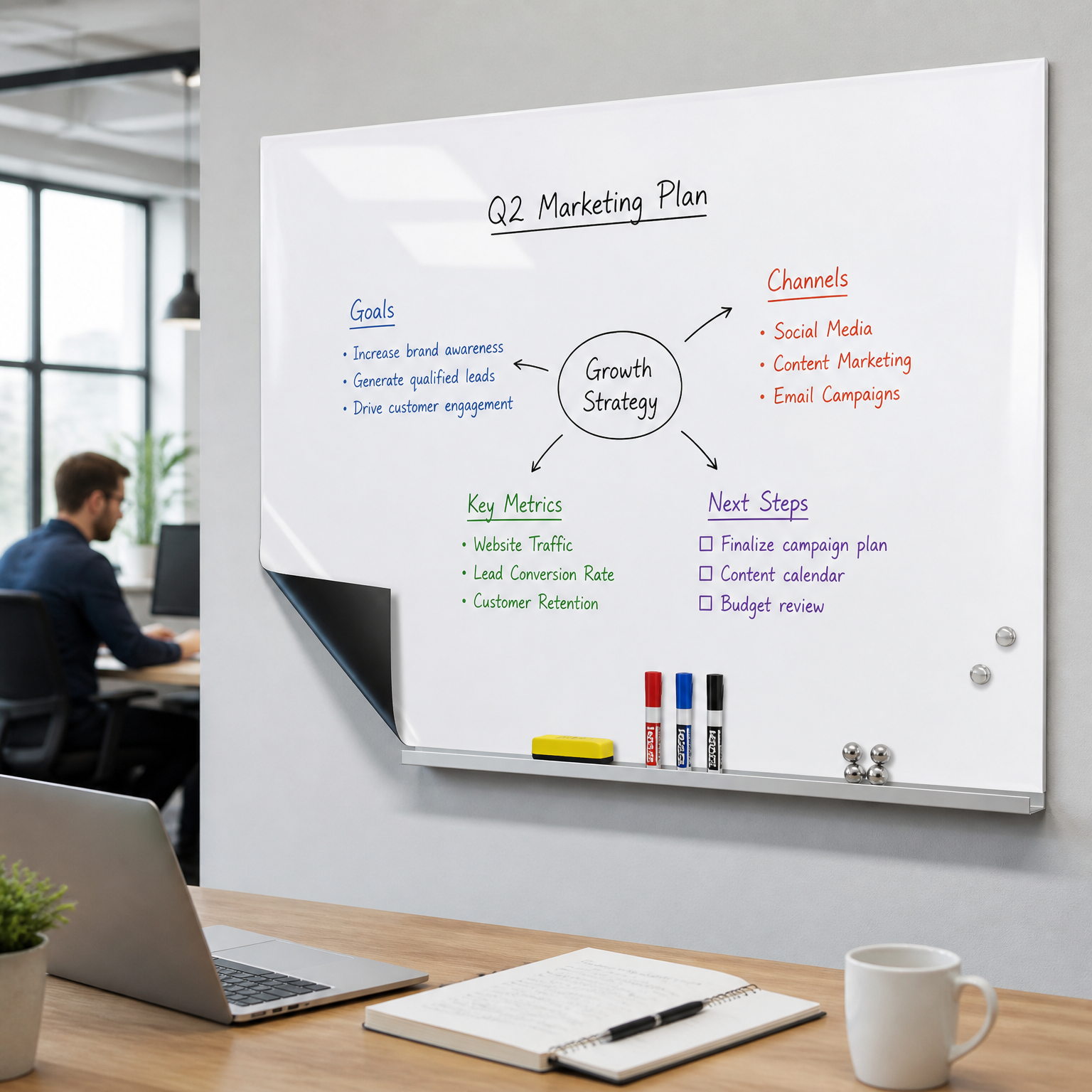
Establishing a predictable and structured daily routine is essential for helping young students transition smoothly between academic activities and develop a foundational understanding of temporal sequences. Traditional paper wall calendars often suffer from wear and tear, requiring frequent replacements and offering little interactive value for students who learn best through tactile engagement. UNU designs advanced magnetic calendars for classrooms that combine robust durability with flexible display options, allowing educators to build an interactive focal point on any magnetic whiteboard or steel partition surface. By utilizing movable date tiles, weather icons, and month markers, teachers can actively involve students in updating the daily schedule each morning. This hands-on interaction transforms abstract calendar concepts into tangible learning moments, helping children grasp the cyclical nature of days, weeks, and months while fostering a collaborative classroom community from the very start of the school day.
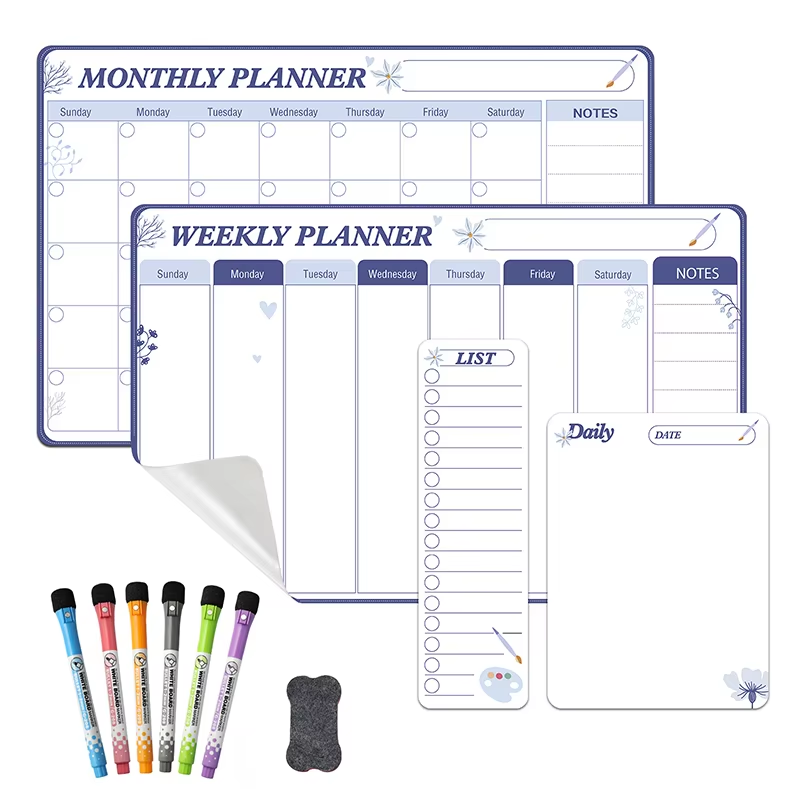
Successfully teaching time skills requires moving beyond rote memorization of calendar dates to help students genuinely comprehend duration, sequencing, and the passing of seasons. Educators frequently encounter challenges when introducing complex temporal relationships to young learners who naturally perceive time in immediate, concrete terms rather than abstract numbers. UNU supports effective instructional strategies by engineering high-visibility classroom time tools that feature bold, easy-to-read typography and color-coded sections for months, days, and special events. When students physically manipulate date markers and season indicators on a shared magnetic surface, they build crucial cognitive connections between physical movement and cognitive time awareness. This experiential approach enables teachers to design engaging daily exercises—such as calculating how many school days remain until a holiday or tracking weekly weather patterns—thereby grounding abstract temporal concepts in relatable, everyday classroom experiences.
Creating a well-organized learning environment depends heavily on how effectively educators integrate functional classroom time tools into their daily instructional design and wall space layout. When teaching materials are poorly organized or difficult for students to see from their desks, engagement drops and valuable instructional time is lost to confusion and transition delays. UNU addresses these organizational needs by providing precisely proportioned magnetic calendar components that adhere securely to magnetic dry-erase boards without sliding or warping. Teachers can place the calendar adjacent to daily lesson agendas, creating a centralized visual hub where students can review schedules, identify current dates, and anticipate upcoming classroom milestones. This seamless integration of visual aids reduces student anxiety about daily routines, encourages personal responsibility as students take turns acting as the calendar helper, and maintains a clean, professional aesthetic across the entire classroom wall.
Elementary time education serves as a critical building block for broader mathematical comprehension, helping children understand patterns, counting sequences, and data organization. However, maintaining active student participation during routine calendar sessions can prove difficult if the instructional materials lack tactile feedback or visual appeal. UNU optimizes its educational calendar displays by utilizing non-glare writing surfaces and robust, scratch-resistant magnetic backings that withstand frequent daily handling by eager young hands. As children step up to the board to move date magnets or adjust weather indicators, they practice fine motor skills while actively participating in group learning. This active engagement reinforces key temporal vocabulary—such as yesterday, today, tomorrow, past, and future—in a natural context. By bridging physical participation with conceptual learning, educators can elevate standard calendar time into a lively, interactive workshop that benefits every student in the room.
Choosing the right visual scheduling aids and maintaining them properly ensures that educational investments deliver long-term reliability and consistent instructional value throughout the school year. School administrators and teachers should evaluate factors such as surface cleanability, magnetic retention strength, and resistance to fading when outfitting modern learning spaces. UNU manufactures its educational solutions using high-grade, eco-friendly materials that comply with strict safety standards, ensuring safe daily interaction for students while delivering exceptional durability against normal classroom wear and tear. Regular maintenance involves simply wiping the surface with a soft, non-abrasive cloth to remove dust and dry-erase marker residues, keeping the display looking pristine and professional. By implementing thoughtful selection criteria and proactive care routines, educational facilities can maximize the lifespan of their teaching tools and provide an inspiring, dependable visual aid for successive cohorts of students.
Maximizing the pedagogical benefits of visual learning aids extends beyond initial classroom setup, requiring ongoing curriculum integration and consistent educator support. When teachers weave daily calendar updates seamlessly into math and social studies lessons, students naturally connect abstract temporal milestones to real-world experiences. UNU designs its interactive display solutions to accommodate diverse teaching styles, supporting everything from kindergarten weather tracking to elementary schedule planning. By maintaining a reliable, high-contrast visual reference point in the classroom, educators empower students to take ownership of their daily routines and build lifelong organizational habits. This sustained focus on interactive time education ensures that schools achieve enduring academic value from their classroom investments year after year.

2026/08/20
Unlock flexible, repositionable whiteboarding for education, agile offices, retail, healthcare & more. Cuttable, magnetic, certified — request your free B2B sample today.

2026/10/10
Discover the 2027 Texture Magnetic Collection & Exclusive Exhibition Promotions Dear Global Partners and Valued Clients, We are thrilled to announce that Shenzhen U&U Magnetic Technology Co., Ltd. (Brand: UCMD) will be officially exhibiting...

2026/08/19
Discover how UCMD® leverages the Canton Fair to showcase magnetic educational & lifestyle products, build global buyer trust, and drive OEM/ODM partnerships. Explore our certified, customizable solutions today.

2026/08/28
Our Commitment to People, Planet & IntegrityAt ShenZhen U&U Magnetic Technology Co., Ltd. (UCMD®), we believe that how we make our products matters as much as what we make. From our factory floor in Shenzhen's Bao An District to the hands...

Please tell us about your company's advantages and characteristics.

Please tell us about your company's advantages and characteristics.

Please tell us about your company's advantages and characteristics.

Please tell us about your company's advantages and characteristics.

Please tell us about your company's advantages and characteristics.

Please tell us about your company's advantages and characteristics.

