 EN

Magnetic Whiteboards for Offices
Please tell us about your company's advantages and characteristics.
2026/09/07
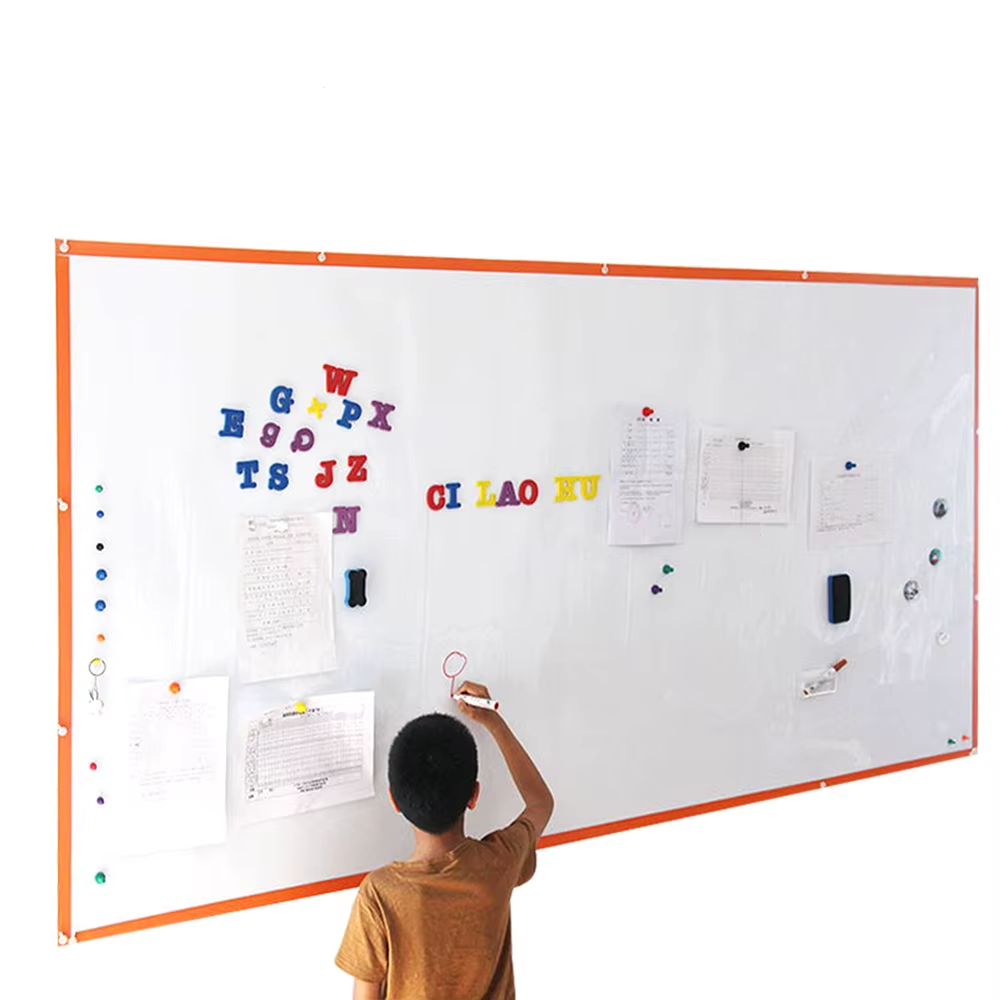
A pre-school in Brisbane switched its art corner from crayon and paper to a sealed Magnetic Board after a term of daily wash-downs. The teachers had spent twenty minutes after every session scrubbing wax crayon from tables and walls, and the clean-up was eating into story time. The Magnetic Board changed the maths: the children drew with magnetic pens and stamps, the Magnetic Board wiped in seconds, and the room stayed clean enough for inspection without a special effort from staff who were already busy.
The Brisbane room is a fair test because three- and four-year-olds are the harshest users a surface can meet. A Magnetic Board survived that test where open paint and chalk did not, and the staff got their time back. The children treated the Magnetic Board like a toy, which is exactly the point: engagement without the mess that normally follows a traditional board in a busy early-learning room every single day.
Crayon finds every vertical surface a child can reach. An ordinary drawing board still needs crayons, and those migrate to the wall within minutes of a distracted toddler. The pre-school's wash days ran long until the Magnetic Board removed the consumable entirely, because the pens the children used left nothing on the paint or the floor. A Magnetic Board in a busy room also means fewer stains on the surrounding surfaces that staff used to scrub each afternoon.
The sealed face meant the only thing on the board was the magnetic drawing, which wiped with a damp cloth. A Magnetic Board in a class also doubles as a teaching surface for letters and numbers, so the same asset serves art and literacy. The pre-school reported that the Magnetic Board paid for itself in labour saved before the first term ended, which is rare for a classroom asset that children use and abuse daily.
Safety is the first question any parent should ask, and the two board types answer it differently. A Magnetic Board answers it with an enclosed magnet, while chalk raises dust that settles on little hands and the floor below the easel in the room.
Loose high-powered magnets are a documented swallow risk, so a kids' board must seal the magnet layer behind a bonded face. A Magnetic Board built to ASTM F963 and EN 71 keeps the magnet content enclosed, and CPSIA tracking labels confirm the batch. Avoid any board where a magnet can be pried out, because that failure mode regulators warn against most for the under-three group. A Magnetic Board that passes these tests stays safe through years of toddler use at home.
Chalk boards throw fine dust that settles in young lungs. A Magnetic Board produces no dust at all, which is why paediatric settings prefer it over chalk in shared spaces. The pre-school noted fewer coughs during art time after the Magnetic Board replaced chalk, though that is an anecdotal observation and not a clinical claim about any child's condition or a recommended treatment of any kind.
The practical edge of a sealed board shows up in daily use and in the standards that govern children's products. A Magnetic Board wins on both counts when the seal is done right by the maker and checked at incoming inspection by the school or the parent who buys it.
A bonded face keeps the magnet content where it belongs. A Magnetic Board with a sealed layer also wipes without ink bleeding into a seam, which keeps the drawing crisp session after session. ISO 9001 control at the maker ensures the seal is consistent across a reorder. A Magnetic Board that holds its seal keeps the surface safe and the artwork clean for the children who press on it daily.
Wiping beats washing because there is no runoff or mould risk in a warm room. A Magnetic Board needs only a soft cloth, while an ordinary board leaves residue that demands solvent and elbow grease from a tired teacher. The labour gap is why the pre-school kept the Magnetic Board and retired the crayon tubs to storage after the trial ended and the staff voted to keep it.
Buying well means matching the board to the child's age and the room's rules, then caring for it so the seal lasts through the school year. A Magnetic Board sized to the user avoids both dropped units and unreachable drawing zones on a wall that is too high for a small child to reach.
Toddlers need a small, light Magnetic Board they can carry, while a class wants a wall-mounted panel. A Magnetic Board sized to the user avoids dropped units that could hurt a foot or a toe. Check the age label and the enclosed-magnet statement before purchase. A Magnetic Board with a rounded corner and no loose part is the safest choice for the youngest group at home or in a nursery setting with crawlers.
Wipe with a damp cloth and store flat so the face does not warp under a pile of books. A Magnetic Board kept dry and out of direct sun holds its seal for years of daily play by enthusiastic small children. U&U Magnetic supplies classroom panels with a sealed face and the compliance paperwork schools ask for at audit, which simplifies the buying decision for a manager who must show the documents on request.
A sealed Magnetic Board built to ASTM F963 and EN 71 is safe because the magnet content is enclosed behind a bonded face that a toddler cannot pry open. Check for a CPSIA tracking label and an age statement before purchase, and avoid any board where a magnet can be removed. The enclosed design is the feature that keeps the product on the safe side of the rules for under-threes at home and in care.
Yes, a Magnetic Board beats chalk for young children because it produces no dust that settles in small lungs and triggers asthma in sensitive kids. It also wipes in seconds without solvent or runoff, which suits a busy classroom. Chalk needs sweeping and a damp wipe, while a magnetic surface needs only a soft cloth, saving staff time after every session of drawing with the children.
Wipe a Magnetic Board with a soft damp cloth; the magnetic drawing lifts without solvent or scrubbing from the face. Avoid abrasive pads that could score the sealed face and eventually expose the magnet layer behind it. Store the board flat and dry, out of direct sun, so the bond stays intact through years of daily use by enthusiastic small children at home or in a class setting.
Toddlers need a small, light Magnetic Board they can hold on a lap, roughly A4 or smaller, with rounded corners and no loose parts. A classroom wants a larger wall panel at child height so a group can gather around it. Match the size to the user so the board is neither dropped from a height nor unreachable, and always check the stated age range on the package before you buy it.
Yes, a Magnetic Board doubles as a literacy surface when the child uses letter and number stamps or a stencil pen on the face. The pre-school used the board for both art and a short phonics round, which stretched the value of one asset. Because the drawing wipes clean, the same board serves a new lesson minutes later without paper or a fresh worksheet for the child to waste.
The pens supplied with a sealed Magnetic Board are typically too large to be a small-parts choke risk, but always check the age label and the pen length against the standard for the child's group. A Magnetic Board system should list compliance on the box; if the pen is small or the cap loose, supervise use or choose a model with a fixed, attached stylus for the youngest users at home.
2026/08/20
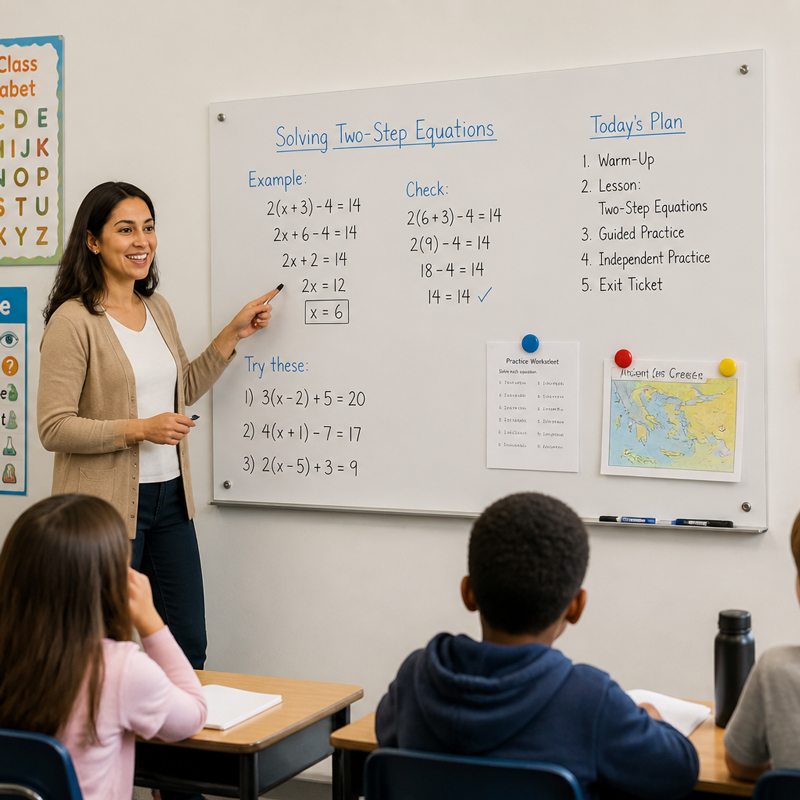
Unlock flexible, repositionable whiteboarding for education, agile offices, retail, healthcare & more. Cuttable, magnetic, certified — request your free B2B sample today.

2026/10/10
Discover the 2027 Texture Magnetic Collection & Exclusive Exhibition Promotions Dear Global Partners and Valued Clients, We are thrilled to announce that Shenzhen U&U Magnetic Technology Co., Ltd. (Brand: UCMD) will be officially exhibiting...
2026/08/19
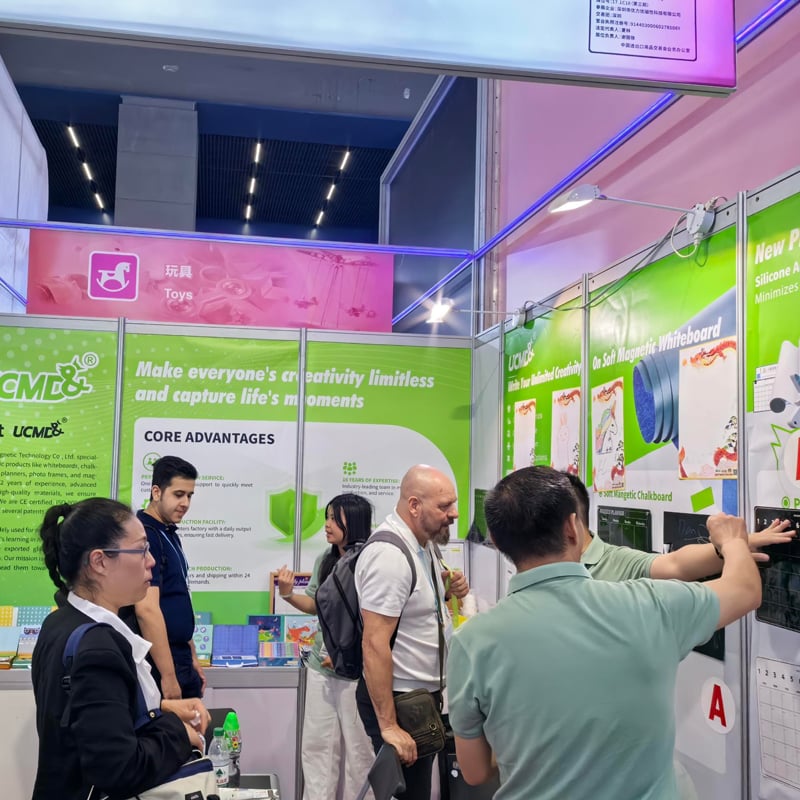
Discover how UCMD® leverages the Canton Fair to showcase magnetic educational & lifestyle products, build global buyer trust, and drive OEM/ODM partnerships. Explore our certified, customizable solutions today.

2026/08/28
Our Commitment to People, Planet & IntegrityAt ShenZhen U&U Magnetic Technology Co., Ltd. (UCMD®), we believe that how we make our products matters as much as what we make. From our factory floor in Shenzhen's Bao An District to the hands...

Please tell us about your company's advantages and characteristics.

Please tell us about your company's advantages and characteristics.

Please tell us about your company's advantages and characteristics.

Please tell us about your company's advantages and characteristics.

Please tell us about your company's advantages and characteristics.

Please tell us about your company's advantages and characteristics.

