 EN

Magnetic Whiteboards for Offices
Please tell us about your company's advantages and characteristics.
2026/09/12
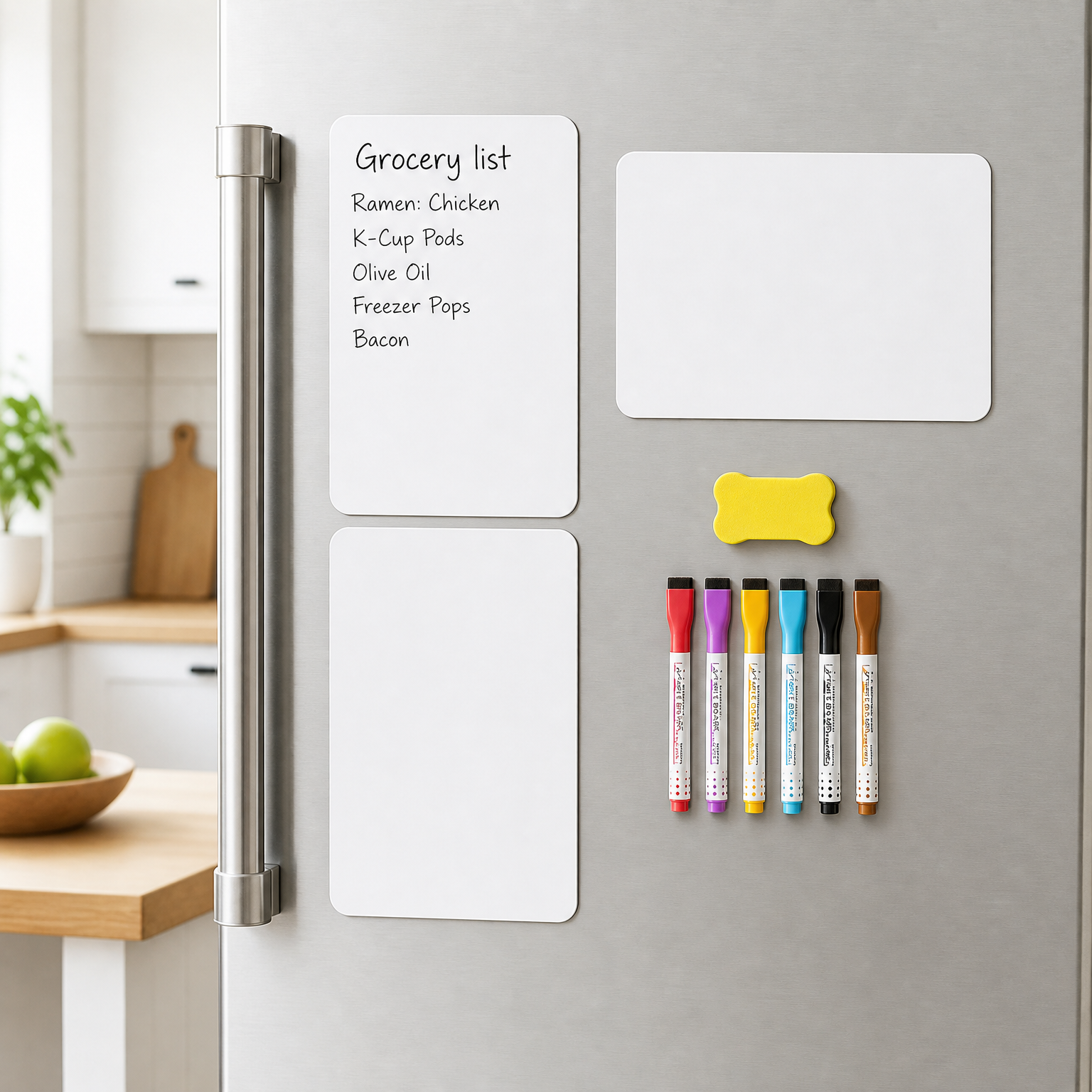
Choosing the right instructional tool for a modern learning environment requires looking closely at how daily wear and tear affects classroom materials. Teachers use vertical surfaces constantly throughout the school day, writing diagrams, solving complex equations, and erasing notes multiple times an hour. From practical classroom experience, standard budget boards often begin to show ghosting, permanent marker staining, or surface peeling within a single academic year if the materials cannot handle intensive friction. Selecting a reliable fixture means evaluating how well the coating withstands routine cleaning chemicals and heavy marker usage without degrading. Educators need to balance initial school budgets with long-term performance to ensure that instructional spaces remain clear and legible for every student in the room. When searching for a comprehensive whiteboard buying guide, educators and facility managers must prioritize long-term utility over cheap upfront costs. Modern educational settings demand surfaces that endure relentless daily academic interaction without losing visual clarity or structural integrity over time. Furthermore, understanding the interaction between dry-erase markers and specialized coatings helps prevent premature surface degradation across various school departments. Ensuring optimal surface resilience directly contributes to smoother daily instruction and minimizes unexpected instructional interruptions while improving overall academic communication. Instructors rely heavily on these vertical workspaces to maintain structured engagement, meaning that any unexpected degradation can severely impact the daily flow of a lesson plan. Moreover, analyzing how teachers interact with different board finishes reveals that surface smoothness plays a vital role in reducing arm fatigue during lengthy writing sessions. By paying close attention to these everyday operational realities, schools can avoid the hidden costs associated with frequent replacements and maintenance downtime. Evaluating daily classroom realities also sheds light on how important it is to select boards that resist scratch marks from accidental impact by rings, watches, or heavy instructional tools used during fast-paced science and mathematics demonstrations. Every single whiteboard buying guide emphasizes that upfront material quality dictates long-term classroom efficiency and overall institutional savings. Furthermore, utilizing a reliable whiteboard buying guide prevents administrative oversights during large-scale school refurbishments.
The underlying material of a writing board dictates its lifespan, weight, and resistance to physical damage. When looking into teacher whiteboard selection, buyers generally encounter options ranging from coated melamine to porcelain steel and tempered glass. Emphasizing classroom whiteboard durability helps schools avoid frequent replacements caused by scratches and warping. Melamine offers an affordable entry point, but its resin coating wears down relatively quickly, making it prone to absorbing ink ghosting over time. Porcelain steel, on the other hand, provides an exceptionally hard, scratch-resistant surface baked at high temperatures, making it virtually impervious to everyday abrasions and chemical cleaners. For institutions seeking maximum longevity, investing in a high-quality surface prevents warping and scratching, ensuring the board maintains a smooth writing plane across years of active teaching. Proper material evaluation is crucial to ensure that the chosen medium supports daily educational routines without failure. Additionally, considering the environmental factors within a bustling classroom ensures that temperature fluctuations and humidity do not compromise the backing or the frame structure, maintaining overall board stability under heavy workloads. When comparing porcelain steel options with painted steel alternatives, educators should note that porcelain fused to steel creates a vitreous enamel layer that resists chemical corrosion and ink penetration far more effectively than painted variants. This material science aspect is critical for school administrators who must stretch operational budgets across multiple academic terms while keeping maintenance expenses to an absolute minimum. Selecting boards with high-grade backing materials also prevents moisture absorption from humid summer months, which is a common cause of board swelling and structural failure in older school buildings. Furthermore, exploring core construction parameters ensures that the chosen boards remain flat against the wall without bowing, which ensures a consistent writing resistance across the entire surface area. Prioritizing classroom whiteboard durability during the procurement phase ensures that educational standards remain high across all grade levels. Regular assessment of teacher whiteboard selection criteria guarantees optimal classroom performance.
Modern pedagogy relies heavily on interactive aids, collaborative group work, and visual organization tools that extend beyond simple dry-erase markers. Incorporating a magnetic whiteboard into the classroom layout gives educators the flexibility to attach educational charts, magnets, student work samples, and geometric manipulatives directly to the writing plane. Every functional magnetic whiteboard transforms standard instruction into a dynamic, hands-on experience that keeps students engaged. This dual functionality maximizes vertical wall space, turning a simple writing board into an active bulletin and display center. When assessing daily classroom wear, teachers should verify that the steel backing is securely bonded to prevent buckling or loss of magnetic retention, ensuring that heavy magnetic accessories stay firmly in place throughout busy school days. Integrating versatile display tools into modern lesson plans significantly enhances student participation, creative problem solving, and group collaboration. Teachers often find that vertical display surfaces serve as essential focal points for student-led presentations and interactive peer reviews. Utilizing magnetic attachments enables instructors to quickly swap out visual aids, flashcards, and student project templates without relying on messy tape or adhesives that leave residue on the board frame. This efficiency is especially valuable in fast-moving elementary classrooms where visual schedules and activity rotations change multiple times throughout the school day. Additionally, the presence of a robust steel core behind the writing surface adds structural rigidity, which protects the board against accidental dents and heavy impacts from energetic students or moving classroom furniture. By investing in multi-functional surfaces, schools empower teachers to adopt modern, kinesthetic teaching methods that cater to diverse learning styles and boost overall classroom engagement. Deploying a versatile magnetic whiteboard inside modern learning environments unlocks endless creative possibilities for daily lesson planning. Furthermore, every well-crafted magnetic whiteboard serves as an indispensable anchor for interactive group assignments.
Outfitting educational facilities often involves managing tight budgets, strict safety regulations, and bulk purchasing requirements. Finding the best whiteboards for schools means partnering with manufacturers who understand institutional needs, such as UNU, which provides reliable educational hardware tailored for everyday classroom environments. When consulting procurement documents, institutional buyers frequently highlight the best whiteboards for schools as those featuring robust frame construction and superior core materials. Purchasing departments must evaluate frame construction, mounting hardware stability, and edge safety to protect students and staff from accidental injuries. Strong aluminum or reinforced frames prevent edge chipping, while secure mounting brackets distribute weight evenly across drywall or concrete classroom partitions, preventing loose fixtures and ensuring long-term structural security. Choosing top-tier institutional fixtures guarantees that educational investments yield reliable performance over many years, minimizing maintenance overhead for school facilities teams. Strategic bulk purchasing also allows schools to standardize their instructional hardware across multiple classrooms and grade levels seamlessly. When evaluating supplier options, district procurement committees should review warranty terms, shipping safety measures, and customer support responsiveness to ensure a smooth installation process across new construction or renovation projects. UNU emphasizes reliable hardware design, ensuring that school districts receive durable components that withstand rigorous daily usage without compromising safety or aesthetic appeal. Furthermore, professional installation guidelines and sturdy mounting brackets prevent shifting or sagging over time, giving school administrators complete peace of mind. Collaborating with trusted providers also ensures compliance with institutional environmental standards, meaning that materials are safe for students and emit no harmful volatile organic compounds within enclosed learning spaces. Securing the best whiteboards for schools remains a top priority for forward-thinking educational administrators partnering with UNU.

2026/08/20
Unlock flexible, repositionable whiteboarding for education, agile offices, retail, healthcare & more. Cuttable, magnetic, certified — request your free B2B sample today.

2026/10/10
Discover the 2027 Texture Magnetic Collection & Exclusive Exhibition Promotions Dear Global Partners and Valued Clients, We are thrilled to announce that Shenzhen U&U Magnetic Technology Co., Ltd. (Brand: UCMD) will be officially exhibiting...
2026/08/19
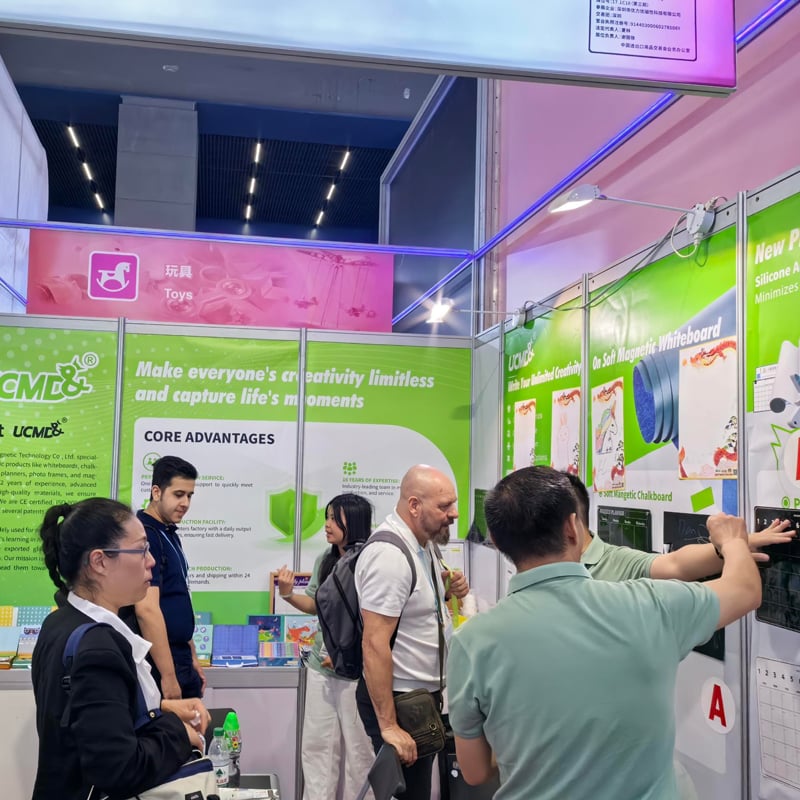
Discover how UCMD® leverages the Canton Fair to showcase magnetic educational & lifestyle products, build global buyer trust, and drive OEM/ODM partnerships. Explore our certified, customizable solutions today.

2026/08/28
Our Commitment to People, Planet & IntegrityAt ShenZhen U&U Magnetic Technology Co., Ltd. (UCMD®), we believe that how we make our products matters as much as what we make. From our factory floor in Shenzhen's Bao An District to the hands...

Please tell us about your company's advantages and characteristics.

Please tell us about your company's advantages and characteristics.

Please tell us about your company's advantages and characteristics.

Please tell us about your company's advantages and characteristics.

Please tell us about your company's advantages and characteristics.

Please tell us about your company's advantages and characteristics.

